



A budget that names culture as development
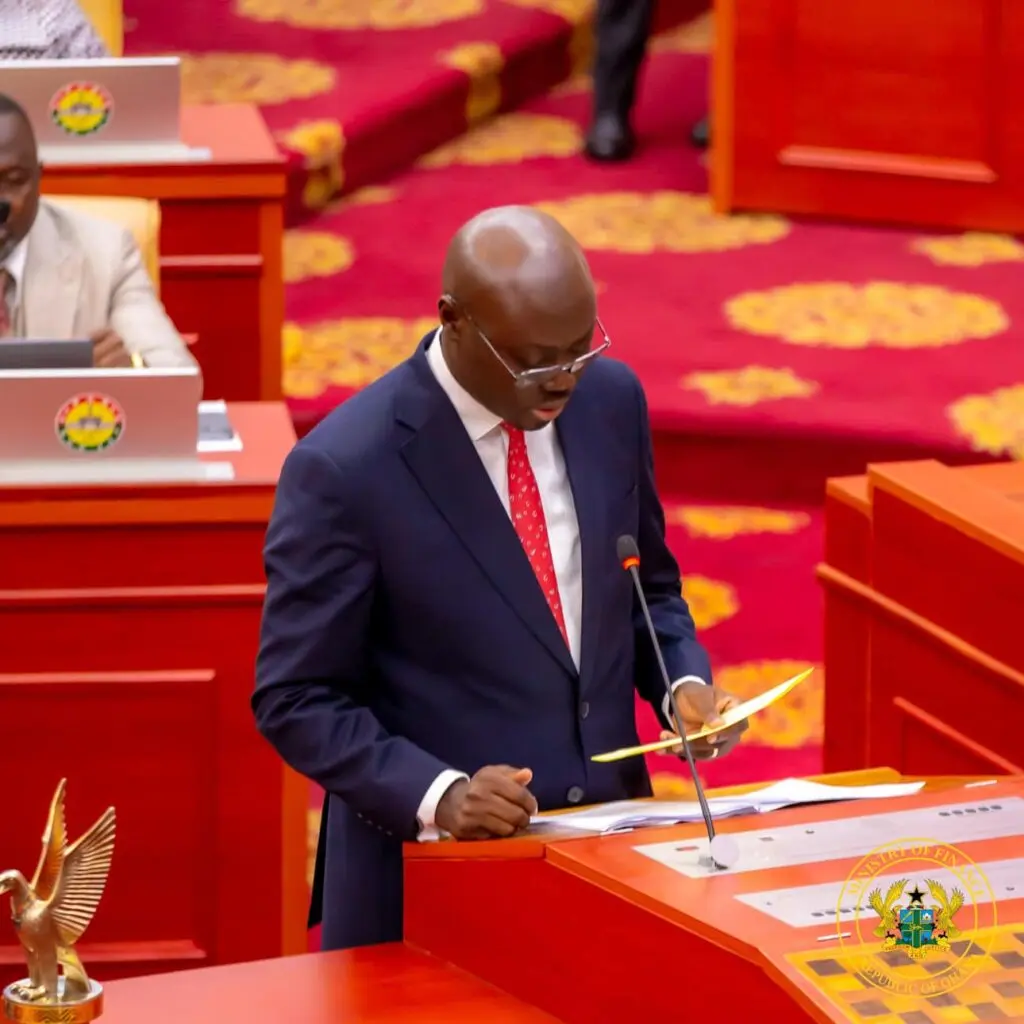
When Dr. Cassiel Ato Forson stood in Parliament to present the 2026 Budget Statement on 13 November 2025, his speech was framed around “Resetting for Growth, Jobs and Economic Transformation.” Among the headline macroeconomic measures was a noteworthy, explicit pivot toward the creative and cultural economy: government seed capital for new creative sector funds, plans for cultural infrastructure, and language that ties cultural investment to tourism and job creation. The move is important because it signals a shift from rhetorical support for the arts to concrete financial instruments and projects.
What the budget actually allocates (the verified facts)
Key, verifiable commitments in the 2026 budget statement and reporting include:
- Seed funding for creative and film funds — multiple government and news releases report that the budget allocates start-up capital for creative sector financing. The Ghana News Agency reported a combined figure of GH¢40 million as seed money to establish a Creative Arts Fund and a Film Fund (GH¢20 million each reported in some outlets).
- A Creative Arts Fund intended to support music, fashion, visual arts, culinary arts and their value chains — described by the Finance Minister as a tool to spur investment across the creative value chain.
- Cultural infrastructure and institutional strengthening — the Ministry of Tourism, Culture and Creative Arts’ budget documents and the national budget speech flag investments in cultural infrastructure as part of wider regional development and tourism linkage.
These are not promises about talk shows or one-off grants — they are institutional measures (fund establishment, seed capital, and infrastructure planning) embedded in the budget documents and official speech.
Why this matters: creative industries, jobs and tourism
The creative economy is not only about expression — it is an economic sector with supply chains, jobs, exports and tourism linkages:
- Jobs & enterprises: Music, film, fashion, visual arts and culinary creatives include producers, technicians, logistics, events managers and tourism operators. A targeted fund can reduce the financing gap that prevents small creative businesses scaling to hire more workers.
- Tourism multiplier: Culture and creative experiences are powerful tourism attractors — festivals, museum exhibitions, film tourism, fashion weeks, culinary trails and public art projects extend tourist stays and increase spending. Coordinated investment in creative infrastructure (venues, archives, festivals) strengthens Ghana’s tourism product.
- Export potential: Music, film and fashion are exportable services and intellectual property. Targeted financing plus export facilitation (market access, festivals, distribution channels) can increase foreign exchange earnings.
In short: funds + infrastructure + policy coherence = potential to convert cultural capital into jobs, exports and tourism receipts.
One fund, many use cases — how GH¢20M/GH¢40M could be deployed
The headline numbers should be read for what they are: seed capital. How the money is structured will determine its impact. Possible high-impact uses include:
- Matching grants for creative SMEs (studios, small labels, production houses) so they can secure co-investment and scale.
- Low-interest credit lines or guarantees that allow creators to buy equipment and hire crews.
- Production funds for local filmmakers and music videos that can drive creative exports and attract co-productions.
- Tourism-linked creative projects (public art trails, cultural festivals, museum upgrades) that increase tourist value and length of stay.
- Capacity building & incubation — training in business skills, IP management, digital distribution, festival production and destination marketing.
Risks and the things to watch
A budget allocation is the first step — implementation matters. Key risks include:
- Small seed vs. large need: GH¢20M–40M is meaningful but modest relative to sectorwide financing needs. Prioritisation and leverage (matching private capital, donor funds) will be essential.
- Governance & transparency: Funds must be managed transparently, with clear selection criteria and stakeholder representation to avoid politicisation and ensure value for money.
- Linking to tourism strategy: Creative funding must be coordinated with tourism marketing, infrastructure and regional development plans to secure multiplier effects.
What creatives and tourism stakeholders should do now
- Engage the fund design process: Creatives, producers, venue owners and tourism operators should participate in consultations to shape eligibility, governance and funding windows.
- Build bankable projects: Start preparing strong proposals with clear budgets, KPIs and tourism linkages — producers who present bankable plans will be first in line.
- Form consortia: Combine artists, event managers and tourism operators to create larger, fundable projects (film festivals, creative clusters, heritage trails).
- Advocate for transparency: Demand clear reporting and monitoring of fund disbursements to ensure funds reach intended beneficiaries.
Conclusion — a meaningful pivot, but not the finish line
The 2026 budget statement by Dr. Ato Forson marks a credible, concrete step: public finance is being used to seed creative sector growth and link culture to tourism and jobs. The success of this pivot will depend on fund design, transparency, co-financing, and the ability of Ghana’s creative community to organise and present bankable propositions. If done well, these measures could turn Ghana’s celebrated cultural assets into sustainable jobs, export earnings and a richer tourism product — finally translating decades of talk into measurable impact.